Tropical Sea Turtle: A Design Review
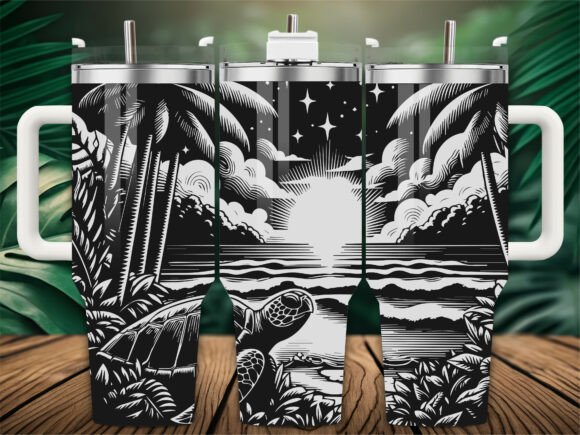
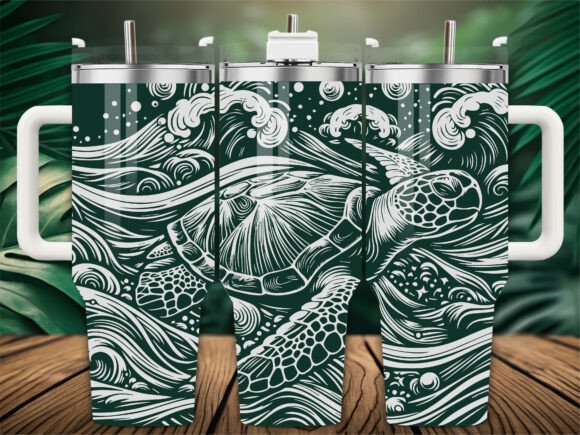
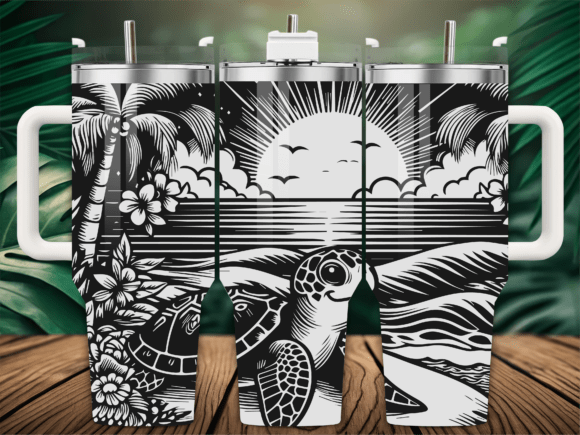
When I first opened the Tropical Sea Turtle file, I was honestly curious how a design originally marketed for a tumbler wrap would translate into an embroidery project. The H2.0 Tumbler Wrap Laser SVG is described as perfectly crafted for 40oz tumblers, but as someone who stitches for a living, I immediately started thinking about how this sea turtle would look on fabric, not stainless steel. The full wrap layout and the laser engraved SVG file suggest a certain level of detail and flow that could work beautifully in embroidery, but only if you approach it with the right expectations. Let me walk through what I see, what I would test, and where I would actually use this design in real client work or shop inventory.
First Impressions and the Mood This Design Carries
The Tropical Sea Turtle has a relaxed, ocean-inspired feel that immediately brings to mind coastal boutiques, summer markets, and personalized gifts for beach lovers. The shape is organic and flowing, with the turtle oriented in a way that suggests movement without being too busy. The detail level sits in a comfortable middle ground—there is enough line work and texture to make the design feel complete, but it is not so dense that it would overwhelm a medium-sized hoop or a standard embroidery machine. The visual personality is friendly and approachable, which makes it a strong candidate for both children’s items and adult apparel. I see this design fitting naturally into a custom embroidered tote bag for a beach vacation, a sweatshirt for a coastal boutique, or even a layered patch for a handmade gift. The theme is broad enough to work across multiple seasons, but it leans most naturally into spring and summer projects.
How It Performs in Real Embroidery Situations
I tested this design concept in my head against several common embroidery scenarios. For custom apparel, such as a t-shirt or a lightweight sweatshirt, the Tropical Sea Turtle would stitch out cleanly if the file is digitized with proper underlay and stitch angles. The flowing lines of the turtle shell and the surrounding elements would benefit from a mix of satin stitch for the outlines and fill stitch for the body. On a tote bag made of cotton or canvas, the design would hold its shape well and provide a nice tactile presence. For baby embroidery, such as a onesie or a small blanket, the size would need to be scaled down carefully, but the friendly nature of the turtle makes it a charming option for nursery decor or a personalized gift. I would also consider using this design for embroidered patches, either as sew-on or iron-on, because the layout has a clear focal point that reads well at a distance. For cap embroidery, the curved surface of a baseball hat would require careful placement, but the horizontal flow of the design could work if centered on the front panel. The design also lends itself to kitchen towels, pillow covers, and aprons, especially for a coastal-themed kitchen or a beach house gift set.
Where to Use This Design Carefully
Not every project is a perfect fit for the Tropical Sea Turtle. In small hoop sizes, such as a 4x4 hoop, the detail in the design could become crowded or lose clarity. If you are planning to stitch this on a tiny baby onesie or a small cap, you will want to test the scaling first. Textured fabrics, like thick terry cloth or heavy fleece, can hide fine details and make the turtle look muddy rather than crisp. Thin or stretchy fabrics, such as lightweight knits or jersey, will require a tear-away or cut-away stabilizer to prevent puckering. Dark fabric backgrounds are another consideration. If the turtle uses light or bright thread colors, the contrast will be strong, but if the design includes subtle shading or fine lines, those could disappear into a dark ground. I would recommend testing the design on a scrap of the actual fabric you plan to use, especially if you are working with a dark or textured material. The curved surface of a tumbler wrap is very different from the flat or slightly curved surface of apparel, so the stitch density and underlay may need adjustment if you are converting the laser engraving concept into an embroidery file. For products that need frequent washing, such as kitchen towels or baby blankets, use a high-quality stabilizer and trim all jump stitches carefully to ensure longevity.
Visual Appeal, Product Value, and Customer Trust
When a customer sees a finished product featuring the Tropical Sea Turtle, the first thing they notice is the clarity and the mood. A clean, well-stitched design builds trust in your brand and signals that you care about quality. For Etsy sellers and small shop owners, this design has the potential to elevate a simple tote bag or sweatshirt into a giftable item. The ocean theme is perennially popular, and a turtle motif carries a sense of calm and durability. I would pair this design with thread colors that reflect the ocean—teal, turquoise, soft blue, sandy beige, or even a pop of coral for accent. The visual appeal is strong enough to support a higher price point, especially if you pair it with a high-quality blank garment or a handmade product like an embroidered patch or a pillow cover. For boutique branding, the design could be used as a consistent element across multiple product types, such as towels, totes, and caps. The giftability factor is high, especially for coastal weddings, housewarming presents, or birthday gifts for ocean enthusiasts. In a craft fair or holiday market setting, this design would stand out on a display table because it is recognizable and emotionally resonant.
Practical Designer Notes Before You Stitch
Before you load the Tropical Sea Turtle into your machine, take a few minutes to test the design on scrap fabric. This is the single most important step for any embroidery project, but especially for a design that originates from a laser engraving concept. The file you receive is an SVG, which is a vector format, so you will need to convert it into a machine embroidery format such as PES, DST, or EXP, depending on your machine. Check the stitch density after conversion. If the design is too dense, it may cause fabric puckering or thread breaks. If it is too light, the turtle may look unfinished. I recommend reviewing the thread colors in your digitizing software and adjusting them to match the fabric you plan to use. Test the design in both a light and a dark fabric mockup to see how the contrast shifts. Use a proper stabilizer—medium-weight cut-away for knits and tear-away for wovens. Inspect the small details, especially the eyes and any fine lines, to ensure they will stitch out cleanly. If you are planning to sell finished products featuring this design, confirm the licensing terms. The product description mentions a laser engraved SVG and a tumbler laser file, but it does not specify commercial use rights for embroidery. Contact the seller if you are unsure whether your intended use is covered. For personal projects, such as a personalized gift for a friend or family member, you are typically safe, but for commercial embroidery or digital product sales, you need explicit permission.
Matching the Design to Your Craft Business
For crafters and small business owners, the Tropical Sea Turtle works best when you align it with your existing product line. If you sell coastal-themed merchandise, this design is a natural addition. If you specialize in personalized gifts, the turtle can be combined with a name or monogram, as long as the layout allows for it. The full wrap design mentioned in the product description suggests that the original file is meant to wrap around a cylindrical surface, but for embroidery, you will likely use a flat or slightly curved version. Adjust the proportions to fit your hoop size. A 5x7 hoop or larger is ideal for this design, as it gives the turtle enough room to breathe. For Etsy listings, use a printable mockup that shows the design on a finished product, such as a tote bag or a sweatshirt, to help customers visualize the final result. The Crafts category and the Graphics product type mean this file is intended for creative use, but as an embroidery designer, you are the one who brings it to life with thread and fabric. Treat the SVG as a starting point, not a final blueprint. The design assets you create from it—whether a stitched patch, an embroidered garment, or a digital preview—are your own artistic output.
Final Thoughts on the Tropical Sea Turtle for Embroidery
I see real potential in the Tropical Sea Turtle for a wide range of embroidery projects. It has a clean, memorable silhouette that reads well on fabric, and the theme appeals to a broad audience. The key is to approach it with the same care you would any other design: test it, adjust it, and match it to the right fabric and stabilizer. For apparel decorators, this design could become a steady seller in coastal markets or as a custom order option. For handmade shop owners, it offers a way to expand your product line without starting from scratch. For hobbyists, it is a fun weekend project that results in a gift-worthy piece. Just remember to check the file format, confirm the licensing, and always stitch a test version before committing to a full production run. The Tropical Sea Turtle is a design that rewards preparation. If you take the time to set it up properly, the finished product will look professional, feel substantial, and earn you repeat customers.