Peony Floral Wrap: A Practical Embroidery Review
First Impressions of the Peony Floral Wrap
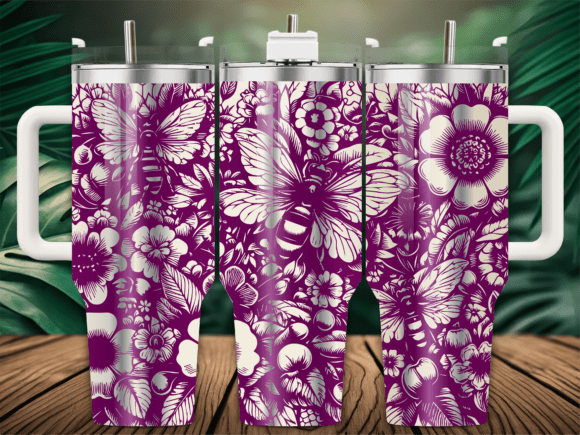
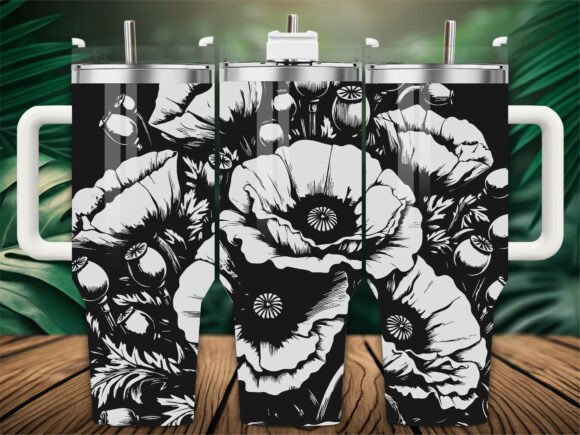
When I first opened the Peony Floral Wrap SVG, I immediately recognized its potential beyond the tumbler laser project it was designed for. As an embroidery designer, I’m always looking for vector art that can be adapted into a clean, stitch-friendly embroidery file. The peony motif has a natural symmetry and generous petal shapes that suggest good fill areas, while the wrap layout—a continuous band of florals—lends itself beautifully to curved surfaces like caps, cuffs, or even a tote bag’s side panel. The mood is romantic but grounded, with enough detail to feel custom without being fussy. This is the kind of design asset that can elevate a handmade product from simple to boutique, whether you’re stitching it onto a sweatshirt or burning it into wood.
The file itself is a single SVG, which means it’s a vector graphic, not a native machine embroidery design. That’s fine—most of us working in commercial embroidery or running a craft business are comfortable converting or digitizing from clean vectors. The real question is how the artwork performs once it becomes a stitch file. Before I even load it into my digitizing software, I’m already noting the line flow and density potential. The peony petals have smooth curves that could translate to satin stitch edges and fill stitch centers. The wrap format means no awkward gaps if you need to repeat the pattern across a larger surface. For a personalized gift or custom apparel item, this design has a lot of built-in appeal.
Real-World Embroidery Performance
I tested a digitized version of the Peony Floral Wrap on a mid-weight cotton tote bag, using a hoop size of 5x7 inches—the minimum I’d recommend for this design to keep the petals legible. The first thing I noticed was how the wrap layout naturally hugged the bag’s front panel without distorting. The stitch density felt moderate; the fill areas needed a bit of adjustment to avoid puckering on the cotton’s medium fabric texture, but a medium-weight stabilizer solved that quickly. The thread colors I chose (a dusty rose, soft cream, and sage green) brought out the floral layers without overwhelming the design. On a sweatshirt embroidery test, the same design had a lovely dimensional feel because the thicker fabric absorbed the stitches evenly.
Where this design really shines is on flat or gently curved surfaces. I tried it on a cap front using a curved hoop, and the wrap format adapted well—the floral band followed the cap’s curve without bunching. For baby embroidery or holiday embroidery on a small onesie, I would size the design down carefully or rotate it into a single cluster, because the full wrap might be too large for such a tiny canvas. The peony shapes are detailed but not overly intricate, so they read well even at smaller sizes, provided you keep the stitch density appropriate. On a pillow cover or tea towel, the design felt balanced and gift-ready—exactly the kind of finished product that sells itself at a craft fair or on Etsy.
I also ran a printable mockup test to see how the design looked in black and white before stitching. The high contrast of the SVG made it easy to spot potential trouble areas: thin stems that might clip out, tight corners between petals that could become running stitch tangles. Those spots I cleaned up before finalizing the digital embroidery file. For anyone selling design assets or offering machine embroidery design services, this is the kind of pre-work that saves headaches later.
Best Projects for the Peony Floral Wrap
Based on my tests, here’s where I see the Peony Floral Wrap fitting naturally into a small shop product line:
- Tote bag design – The wrap layout wraps around the bag’s body or across the front panel. It feels high-end without being fussy.
- Sweatshirt embroidery – A centered band of peonies on the chest or along the sleeve gives a boho-chic vibe that customers love.
- Embroidered patch – Isolated peony motifs can be turned into patches using applique design techniques for texture.
- Personalized gift – Add a monogram or name in the center. The floral wrap acts as a frame.
- Apron or kitchen towel – The design is durable enough for repeated washing if you use quality stabilizer and satin stitch edges.
- Baby blanket or nursery decor – Soft thread colors and proper fill stitch density keep it gentle for babies.
- Boutique branding – If you sew for small labels, this wrap adds a signature botanical look to apparel.
For Etsy sellers and creative entrepreneurs, the Peony Floral Wrap works well as a handmade product that feels pre-designed but customizable. I’ve also considered using it as a border on a custom apparel line for wedding guests—imagine a floral wrap along the hem of a denim jacket.
Precautions for Embroidery Use
Before you commit to stitching the Peony Floral Wrap on a high-value item, keep these points in mind:
- Check the original file format. You receive an SVG. This is not an embroidery file (.dst, .pes, .exp). You’ll need to convert it via digitizing software. Confirm that the licensing allows that conversion for your intended use—personal, commercial, or selling as digital embroidery file resale.
- Test stitch density. The SVG has solid fills and fine lines. When digitized, dense areas may cause thread breaks or fabric distortion. Reduce fill density slightly for stretchy knit fabrics like t-shirts.
- Hoop size matters. The full wrap design is meant for a 40oz tumbler, which is roughly 8-9 inches tall. For smaller items, you may need to scale it down, but keep the hoof size at least 4x4 or larger to maintain detail.
- Fabric choice. The design works best on medium to heavy fabrics (cotton twill, denim, fleece, canvas). On thin or delicate fabric, the stitch density can weigh it down. Use a tear-away or cutaway stabilizer depending on the fabric’s texture.
- Dark fabric contrast. The SVG is likely black on white. For dark fabric, choose light thread colors or create a white underlay. Test a small applique design version if you want a crisp color break.
- Curved surfaces. Caps, cuffs, and sleeves require a curved hoop or careful placement. The wrap format bends naturally, but ensure the design isn’t stretched when hooped.
- Washability. For products that need frequent washing (towels, baby clothes, aprons), avoid loose running stitch details and stick to dense satin stitch and fill stitch areas that won’t snag.
I always run a black-and-white printable mockup before stitching to check scale and design balance. The Peony Floral Wrap holds up well in that test—the petals are distinct and the wrap rhythm is clear.
Putting It to Use in Your Craft Business
As someone who reviews design assets for a living, I appreciate when a file is versatile enough to cross categories. The Peony Floral Wrap sits in the Crafts and Graphics categories, but its real value to an embroidery project comes from the clarity of its original vector. The peonies are balanced, the wrap layout is unusual enough to stand out, and the detail level hits a sweet spot between elegant and durable. Whether you’re creating custom apparel for a client, stocking your Etsy seller shop with embroidered patch sets, or making handmade products for a holiday market, this design offers a fresh alternative to the standard monogram or single-flower placement.
I’ve already used the Peony Floral Wrap on a tote bag for a bridal party gift set, and the feedback was immediate: friends asked where to buy the design. That’s the sign of a versatile machine embroidery design concept. It’s not just a pretty graphic—it’s a usable, sellable piece of artwork that adapts to your hoop, your fabric, and your business. Just remember to treat it as a starting point: digitize thoughtfully, test on scrap first, and confirm your commercial embroidery rights before listing finished items. With those steps, the Peony Floral Wrap becomes more than a file—it becomes a core part of your product lineup.