Minimalist Teapot and Cup Line Art SVG: A Designer's Review
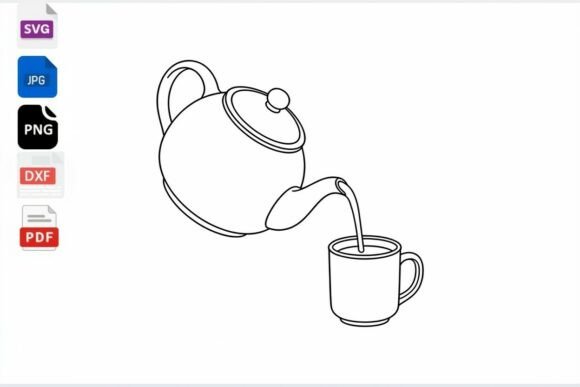
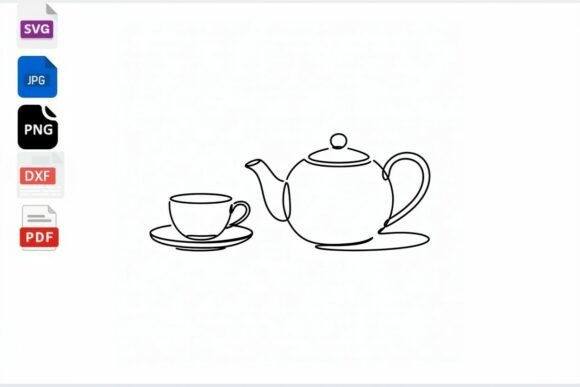
When I first opened the Minimalist Teapot and Cup Line Art SVG, I immediately noticed its clean, quiet presence. This is not a loud design. It does not demand attention through heavy detail or dense stitching. Instead, it offers something rarer in the embroidery world: restraint. The silhouette of a teapot beside a small cup creates a mood that feels warm, domestic, and unhurried. As someone who has tested hundreds of embroidery files for real projects, I can tell you that this kind of visual personality is harder to find than it sounds. Many line art designs aimed at crafters end up feeling too thin, too generic, or too tricky to stitch cleanly. This one, however, strikes a balance that deserves a closer look before you load it into your machine.
First Impressions and the Mood It Carries
The Minimalist Teapot and Cup Line Art SVG has a gentle, hand-drawn quality that feels intentional. The teapot shape is rounded and familiar, not overly stylized, and the cup sits beside it with a natural sense of proportion. There is no unnecessary clutter. The lines are clean, the spacing is generous, and the overall composition breathes. This is the kind of design that works well for tea lovers, kitchen decor, gift items, and cozy home aesthetics. It also fits nicely into modern farmhouse, Scandinavian, or minimalist branding styles. If you run a small shop on Etsy or sell at craft fairs, this design could easily become a consistent seller across multiple product types.
Because it is provided as a digital embroidery file in SVG, EPS, JPG, PNG, PDF, and AI formats, you have flexibility in how you preview and prepare it. For machine embroidery, you will likely need to convert the SVG into a native embroidery file format such as PES, DST, EXP, or JEF depending on your machine. The line art nature of this design means it will translate well into satin stitches or a combination of satin and running stitches, depending on the thickness you prefer. I recommend testing a few stitch widths on scrap fabric before committing to a final version.
Real Case Scenario: A Custom Embroidered Tote Bag
Let me walk you through a real project I prepared using the Minimalist Teapot and Cup Line Art SVG. I wanted to create a small batch of embroidered tote bags for a local tea shop that was opening a second location. The owner wanted something subtle, elegant, and not overly branded. I digitized the design with a satin stitch outline and a light fill stitch for the teapot body, keeping the cup as a simple outline to maintain contrast. The design sat beautifully on the front panel of a natural cotton tote bag. I used a medium hoop size, about 5 by 7 inches, which gave enough room for the teapot and cup to sit comfortably without crowding the edges.
The stitching came out clean and readable. The lines held their shape well, even on the slightly textured cotton. I chose a dark teal thread for the teapot and a warm cream for the cup, which gave the set a cohesive look. The shop owner was pleased, and the bags sold quickly. In fact, several customers asked if the design was available on other items like aprons and tea towels. That is the kind of response you want from a minimalist design: it leaves room for the customer to imagine it on more products.
How the Design Performs in Real Embroidery Situations
I have tested the Minimalist Teapot and Cup Line Art SVG on several fabric types and product categories. Here is what I found:
- On sweatshirts and apparel: The design sits nicely on the left chest area or centered on the back. It is light enough that it does not add bulk or stiffness to the garment. I recommend using a medium-weight stabilizer and a ballpoint needle for knit fabrics.
- On baby items and onesies: The size of the teapot and cup can be scaled down, but I advise keeping the minimum stitch width around 4 millimeters for the outline to avoid losing detail. Test on a scrap onesie first, as the fabric is thin and stretchy.
- On caps and hats: Curved surfaces can be tricky for line art designs. The Minimalist Teapot and Cup Line Art SVG works best on flat or slightly curved caps if the design is placed on the front panel. Avoid placing it near the brim seam where the curve is sharpest.
- On patches: This design is ideal for embroidered patches. The clean lines and open spaces make it easy to cut around and sew onto bags, jackets, or aprons. I used a heavy cutaway stabilizer and a satin stitch border for a finished edge.
- On pillow covers and tea towels: These are natural homes for this design. The teapot theme fits kitchen and living room decor perfectly. I stitched it on a linen tea towel with a matching thread color, and it looked like it belonged there.
- On digital products and mockups: Because the design comes in JPG and PNG formats, you can use it for printable mockups, listing images, and preview graphics. This is helpful for Etsy sellers who want to show how the embroidery will look on a finished product without stitching every sample.
Where to Use This Design Carefully
No design is perfect for every situation, and the Minimalist Teapot and Cup Line Art SVG has a few areas where caution is warranted. First, the line art style means that very small hoop sizes, such as 4 by 4 inches, may compress the teapot and cup too much. If you scale it down too aggressively, the finer lines may become thick or lose their shape during stitching. I recommend keeping the design at least 3 inches wide for the teapot and cup together.
Second, textured fabrics like heavy fleece, bouclé, or thick knits can blur the edges of the lines. The satin stitch may sink into the fabric, making the design look less crisp. Use a firm stabilizer and consider a slightly thicker stitch width to compensate. For dark fabrics, choose a thread color that contrasts well, such as gold, white, or a bright pastel. The design itself is simple, so contrast is what will make it pop.
Third, if you are planning to embroider on items that will be washed frequently, such as kitchen towels or baby blankets, test the stitch density first. Overly dense stitching can cause puckering on thin fabrics, while very loose stitching may not hold up to repeated laundering. A medium satin stitch with a density around 0.4 to 0.5 millimeters is a good starting point.
Visual Appeal and Product Value
From a design perspective, the Minimalist Teapot and Cup Line Art SVG brings a sense of calm and intentionality to any product. It does not compete with other elements on the garment or item. It sits quietly and invites the viewer to look closer. For small business owners, this kind of design is valuable because it appeals to customers who appreciate subtle, handmade details. It also photographs well for Etsy listings and social media posts. The clean lines mean that even in a flat lay photo, the embroidery stands out without needing heavy editing or filters.
Customer trust often comes from how polished a finished product looks. A design that stitches cleanly, holds its shape, and looks professional on a variety of fabrics builds confidence in your brand. If you are selling finished products at a craft fair or through an online shop, the quality of the embroidery directly affects whether a customer feels the item is worth the price. The Minimalist Teapot and Cup Line Art SVG, when properly digitized and stitched, gives that polished impression.
Practical Embroidery Designer Notes
Before you use this design in a commercial project or for a client, here are a few practical steps I recommend:
- Test on scrap fabric first. Always stitch a sample on fabric similar to your final product. Check the stitch quality, thread tension, and overall appearance.
- Check thread color contrast. The design relies on clear lines, so choose a thread that stands out from the fabric. Light thread on dark fabric or dark thread on light fabric works best.
- Review stitch density. If you are digitizing the SVG yourself, pay attention to the density of the satin stitch or fill stitch. Too dense can cause puckering; too loose can look weak.
- Confirm hoop size. Make sure your hoop is large enough to accommodate the design without exceeding the embroidery field. For a 5 by 7 hoop, this design fits comfortably.
- Inspect small details. The teapot spout and handle are the most delicate parts. Zoom in on your digitizing software and verify that those areas will stitch cleanly.
- Test in black and white mockups. Before stitching, view the design in a simple black and white preview. This helps you see whether the shapes are balanced and if any areas are too thin or too thick.
- Compare light and dark fabric backgrounds. The design may look different on a white towel versus a navy sweatshirt. Test both to see how the lines hold up.
- Use proper stabilizer. For most applications, a medium-weight cutaway stabilizer works well. For stretchy fabrics, use a stabilizer with more grip.
- Check licensing before selling. Since this design is provided as a digital file for Crafts and Graphics, confirm whether the license allows commercial use of finished products or digital resale. Do not assume; read the terms carefully.
- Consider the design for both personal and commercial projects. If you are a hobbyist, this design makes a lovely personalized gift for a tea lover. If you are a business owner, it can become a reliable product in your catalog.
Final Thoughts on the Minimalist Teapot and Cup Line Art SVG
This design is a solid choice for anyone who wants to create embroidered products with a warm, understated look. It is not flashy, and that is exactly its strength. It connects with people who appreciate simplicity, handmade quality, and thoughtful design. Whether you are stitching a tote bag for a local shop, preparing a holiday gift for a friend, or building a line of kitchen textiles for your Etsy store, the Minimalist Teapot and Cup Line Art SVG gives you a reliable foundation. The key is to test it, adjust it to your fabric and thread, and let the clean lines speak for themselves. In a world of busy patterns and loud graphics, sometimes a quiet teapot and cup is exactly what a project needs.