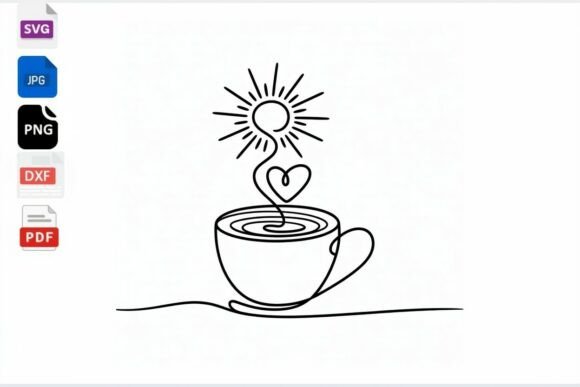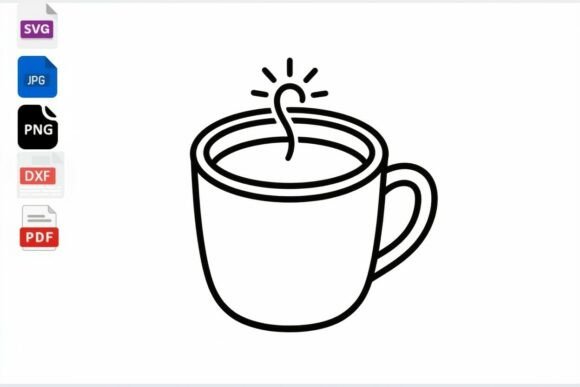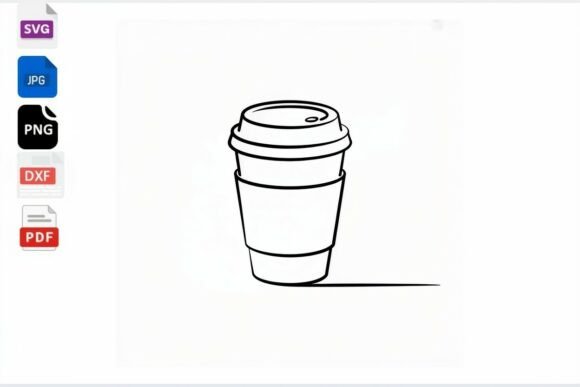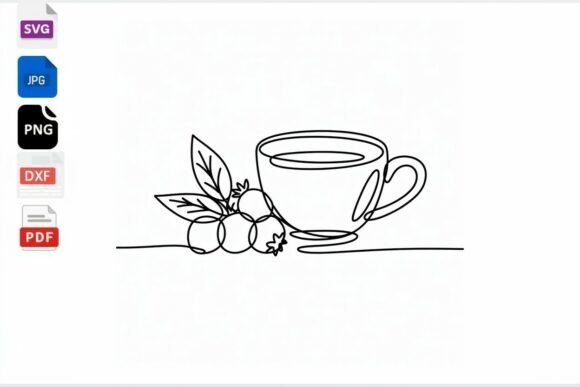
Blueberry Coffee Cup Line Art Graphics & Crafts
When I first opened the Blueberry Coffee Cup Line Art SVG file, I was preparing a new product collection for my Etsy shop. I had been looking for a clean, modern graphic that could work across multiple product types without feeling overly niche. This design immediately struck me as versatile. The line art style is crisp, the subject matter is universally appealing, and the blueberry coffee cup concept sits neatly in a sweet spot between cozy cafe culture and nature-inspired aesthetics. For any digital seller evaluating this asset, the first question is always the same: can I build real products around this without endless rework? In this case, I think the answer is a clear yes, but only if you test it properly before listing.
First Impression and Visual Personality
The Blueberry Coffee Cup Line Art SVG carries a mood that feels both modern and inviting. The line work is precise, not overly detailed, which means it reads well at small sizes and scales up cleanly. The blueberry motif adds a subtle seasonal touch, but the coffee cup keeps it grounded enough for year-round use. I see this appealing to buyers who want something that feels handmade but not rustic, elegant but not fussy. It sits somewhere between minimal and decorative, which gives it a broad audience. If you sell to crafters, journal makers, or small business owners building a brand identity, this kind of visual tone tends to convert well because it feels intentional without being loud.
Product Applications Across a Digital Shop
I tested the Blueberry Coffee Cup Line Art SVG across several product categories before committing to a listing. The file comes in SVG, EPS, JPG, PNG, PDF, and AI formats, which is exactly what I look for when I want to move quickly from design to product. Here is how I evaluated it for different product types:
- SVG and PNG designs for Cricut and Silhouette projects: the cut lines are clean, and the line art holds up well on vinyl, cardstock, and adhesive materials. I would use this for mug decals, tote bag prints, and tumbler wraps.
- Sublimation designs for apparel and drinkware: the contrast is good, and the blueberry detail adds a nice pop when transferred onto white or light-colored substrates. I would test a sample on a ceramic mug before selling.
- Printable wall art and nursery prints: the line art style works beautifully in a frame. I paired it with a soft serif font for a calm, modern look and a handwritten font for a more playful feel.
- Planner stickers and journal kits: the scale works well for small stickers, but I recommend checking the thinnest lines on a physical print to ensure they cut cleanly.
- Greeting cards and invitation templates: the blueberry coffee cup theme fits brunch invitations, thank you cards, and casual stationery sets. I would bundle it with a coordinating pattern background.
- T-shirt graphics for print-on-demand: the design is centered and balanced, which makes it easy to place on a shirt mockup. I tested it on a dark tee with a white or light tone and it read well.
- Canva templates and social media graphics: the PNG file with a transparent background drops right into Canva. I used it for Instagram posts, Pinterest pins, and blog graphics for a coffee-themed content series.
This design is a graphic design asset that can function as a standalone illustration or as part of a larger design bundle. If you are building a collection around coffee, breakfast, or seasonal farmhouse themes, this fits naturally.
How It Supports Product Presentation
One of the biggest challenges in selling digital downloads and printable designs is making your thumbnails stop the scroll. The Blueberry Coffee Cup Line Art SVG has a clean silhouette that reads well as a small thumbnail. I tested it in a mockup preview on a coffee mug, a framed print, and a tote bag, and the line art remained recognizable at every size. That matters more than most sellers realize. If your listing image is crowded or the design gets lost, you lose the click. This design passes the thumbnail test, which is a strong sign that it can support brand consistency and visual storytelling across your shop.
I also appreciate that the line art style gives room for product mockups that feel elevated. A simple white mug with a black line art graphic looks premium. A framed print with a neutral mat and a wood frame looks like something you would find in a boutique. That perceived value translates directly to higher conversion rates, especially on Etsy product listings and creative marketplace pages.
Where the Design Works Best
From my testing, the Blueberry Coffee Cup Line Art SVG performs best in these scenarios:
- Large product previews where the line art can breathe. Think mugs, tees, totes, and framed prints.
- Themed bundles like coffee lover gift sets, blueberry kitchen decor, or farmhouse breakfast collections.
- Decorative layouts where the design is a focal point, not a background element.
- Printable products like wall art, greeting cards, and sticker sheets where the line art remains crisp.
- Social media promos and blog graphics where a clean, modern aesthetic is needed.
- Merchandise graphics for print-on-demand shops targeting coffee enthusiasts or nature-inspired buyers.
It also works well as a clipart element inside a larger design bundle. I paired it with a few complementary line art food items and a set of botanical accents to create a small collection. That approach increased the perceived value and gave customers more options to mix and match.
Where to Use It Carefully
No design is perfect for every situation, and I found a few areas where this asset needs extra attention:
- Tiny sticker details: the line art has some thin strokes that may not cut cleanly on very small stickers. I recommend testing at the size you plan to sell before committing to a full run.
- Overly complex layouts: this design works best when it is the star. Layering it with too many competing elements can make the final product look busy.
- Low-resolution print products: the vector files are high quality, but if you are exporting to PNG for a large print, make sure you export at 300 DPI or higher. The line art can lose sharpness if you go too small.
- Crowded thumbnails: because the design is line art, it needs contrast. On a busy or patterned background, it can disappear. Stick to clean, solid backgrounds for your main listing image.
- Dark backgrounds: the black line art works best on white or light tones. If you want to use it on dark surfaces, you will need to invert the design to white or a light color. Test the contrast physically before selling.
- Text-heavy templates: if you are adding a lot of text, make sure the line art does not compete for attention. Use it as a supporting visual, not a crowded element.
- Cricut and Silhouette projects: the SVG cut quality is good, but I always recommend doing a test cut with your specific machine and material. Some thin lines may require a bit of adjustment on blade depth or pressure.
Practical Seller Notes from My Testing
Before you publish a listing using this commercial design, here are the steps I recommend based on my own workflow:
- Test on real mockups. Do not rely on the preview alone. Drop the design into a mug mockup, a tee mockup, and a framed print mockup. See how it reads at different sizes.
- Preview it as a marketplace thumbnail. Shrink the image down to the size it will appear in search results. If the design is not clear at that size, consider a different layout or a bolder version.
- Check how it looks on white and dark backgrounds. The line art should be visible on both. If you plan to sell dark-themed products, create an inverted version.
- Test print colors. Even though it is line art, the black should be true black, not a muddy gray. Print a sample on the material you plan to sell.
- Verify PNG transparency. The PNG file should have a clean transparent background with no white halos or artifacts. Open it in your software and check the edges.
- Inspect SVG cut quality. If you are selling a Cricut or Silhouette project, test the cut on a scrap piece of material. Thin lines may need a slight adjustment.
- Confirm file resolution. The JPG and PNG exports should be at least 300 DPI for print use. The vector files are resolution-independent, but the raster exports need to be clean.
- Organize files clearly for customers. Name each file format clearly so buyers know exactly what they are getting. Include a simple instruction sheet if needed.
- Pair it with the right font. For a modern look, use a serif font or a sans serif font. For a playful feel, try a script font or handwritten font. For a bold statement, a display font can work, but keep it balanced.
- Confirm commercial licensing. Before selling any finished products, make sure the license allows commercial use. This is a step I never skip, and it protects both you and your customers.
How This Asset Fits Into a Professional Product Collection
When I build a new shop collection, I look for design assets that can anchor multiple products without feeling repetitive. The Blueberry Coffee Cup Line Art SVG does exactly that. I used it as the centerpiece for a small coffee-themed bundle that included a mug design, a printable art print, a sticker sheet, and a social media template set. The consistent visual thread made the collection feel cohesive, and I was able to list four products with a unified look in under a day.
For sellers who focus on print-on-demand or digital download shops, this kind of SVG design saves time because it does not require heavy editing or color correction. The file is ready to use out of the box, and the multiple formats mean you can work in whatever software you prefer. I used the AI file for custom sizing in Illustrator, the SVG for Cricut testing, and the PNG for quick mockups in Canva. That flexibility is exactly what I need when I am moving from idea to listing quickly.
If you are a small business owner building a brand identity, this asset can also serve as a repeating motif in your packaging design, social media graphics, and promotional visuals. The line art style is timeless enough that it will not look dated next season, and the blueberry coffee cup theme is specific enough to attract a targeted audience.
Final Thoughts Before You Publish
The Blueberry Coffee Cup Line Art SVG is a solid addition to any digital seller's library. It is not a flashy, overproduced graphic that tries to do everything at once. It is a clean, well-crafted graphic design asset that does one thing well. That is exactly the kind of resource I trust for real commercial products. My advice is to test it on a small batch of products first, pay attention to how it reads at different sizes and on different backgrounds, and then build a collection around it. If you treat it as a core element rather than a throwaway graphic, it will serve you well across multiple seasons and product types.
This silhouette cut file is provided in SVG, EPS, JPG, PNG, PDF, and AI formats, which gives you complete flexibility regardless of your workflow. The design is precise, the line art is clean, and the commercial potential is clear. Whether you are listing on Etsy, Creative Fabrica, Shopify, or your own site, this asset deserves a spot in your product pipeline. Just remember to test, organize, and verify before you hit publish. That is the difference between a product that sells and one that sits.